
TEHRAN — Iran stands out as a land where urban life is deeply intertwined with centuries of history, spirituality and amazing natural diversity.
Mehr News Agency has compiled a list of famous Iranian cities that every Iranian citizen and tourist should visit at least once in their lifetime.
From ancient capitals to sacred centers to modern metropolises, Iran’s cities embody the essence of civilization and are places where culture, creativity and community come together.
Tehran, the beating heart of modern Iran
Tehran, the capital and largest city, represents the heartbeat of modern Iran. Beneath the fast-paced city life lies a rich history, from the majestic Golestan Palace, a UNESCO World Heritage Site, to the vibrant bazaars and museums that tell the story of a nation that balances tradition and progress. Surrounded by the snow-capped Alborz Mountains, Tehran offers a unique blend of nature and city.
Isfahan, the city “half the world”
Elegant mosques and palaces represent a golden age of Iranian urban design. The city’s symmetrical gardens and turquoise domes continue to inspire visitors from all over the world.
Shiraz, the city of poets and gardens
Known as the city of love and poetry, Shiraz is home to Iranian literary icons Hafez and Sadi. The tranquil Elamite Gardens, the lively Nasir al-Molk Mosque, and the nearby ruins of Persepolis, the ancient capital of the Achaemenid Empire, make Shiraz a cultural and historical treasure.
Mashhad, the spiritual capital of Iran
Mashhad is the final resting place of Imam Reza (AS), the eighth Shia Imam, and attracts millions of pilgrims each year. The city is not only a magnificent shrine complex, but also a center for learning, hospitality, and cultural exchange, combining piety with urban vitality.
Tabriz, the crossroads of civilizations
Tabriz, located in the northwest, has long served as a major trading hub on the Silk Road. The historic Grand Bazaar, one of the world’s oldest covered markets, symbolizes Iran’s role in global commerce and craftsmanship. The city also boasts a rich Azarbaijani culture and stunning architecture.
Yazd, the city of wind catchers
Recognized by UNESCO as a unique desert architecture, Yazd reflects centuries of adaptation to the harsh climate. Its wind catchers (baghirs), Zoroastrian fire temples, and maze-like alleys speak of patience, faith, and harmony with nature.
Kerman, a living museum
Kerman combines natural beauty with cultural depth. From the Ganjali Khan complex to the surreal landscape of the Rut desert, one of the hottest places on earth, Kerman epitomizes the coexistence of civilization and nature.
Kashan, the desert city of rosewater
The small but charming city of Kashan is famous for its traditional houses, such as the Tabata Bay House, and the Finn Gardens, another UNESCO World Heritage Site. It is also the center of Iranian rosewater and carpet traditions.
The ancient city of Kashan, located at the beginning of Iran’s vast desert Dasht-e-Kabil, has long been famous for its traditional rosewater destinations, atmospheric locations, and hospitable people.
Hamadan, land of old civilization and untouched nature
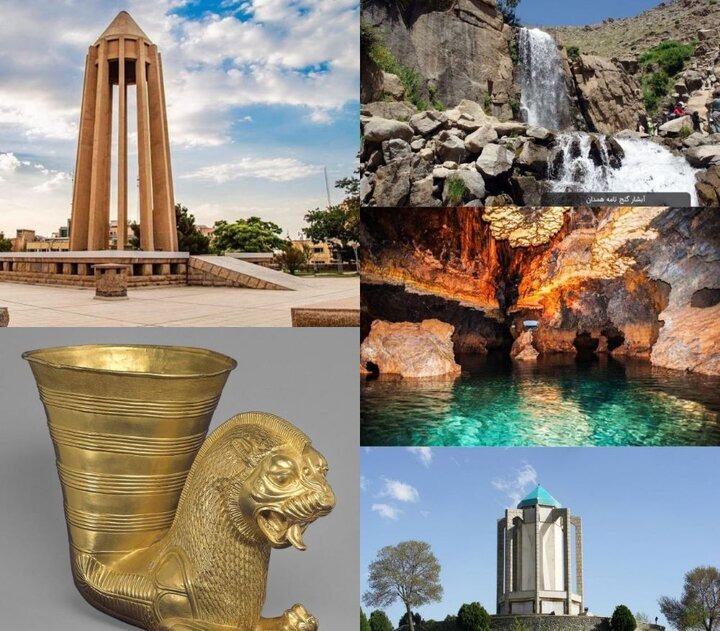
One of the world’s oldest cities, Hamadan’s history dates back to the Media Empire. The tomb of Avicenna, the Ganjname inscription and the Ecbatana ruins reveal its enduring historical importance.
Rasht, the city of silver rain
Rasht, the capital of Gilan province, is known for its lively markets, cuisine, and proximity to the Caspian Sea and the village of Masreh. The rich nature and mild climate make it the paradise of the north.