
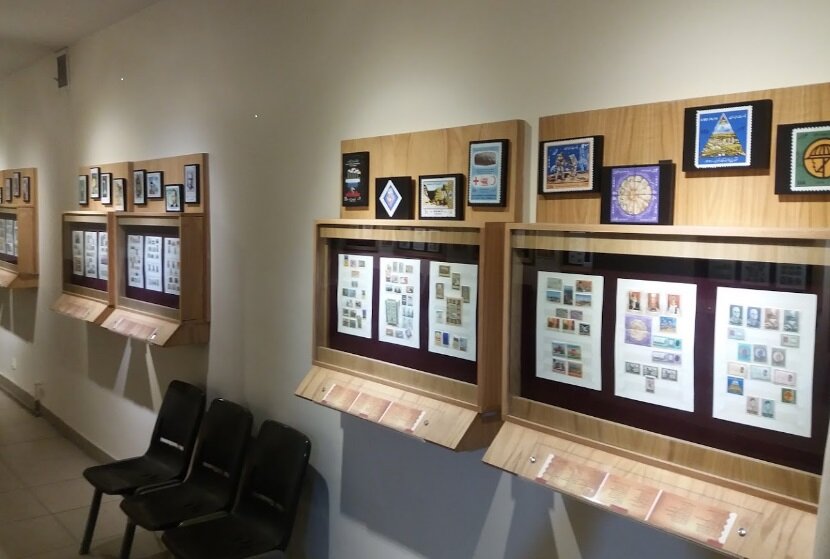
[TEHRAN]The Yekuta Stamp Museum, which houses more than 2.5 million stamps, has been added to the Guinness Book of World Records.
Announcing this, Museum Director Seyyed Hassan Mousavi said that this success was the result of many years of hard work and dedication in collecting and preserving cultural and historical artifacts related to stamps, coins and banknotes, according to IRIB news agency.
He said that the Yekta Stamp Museum in Karaj, Alborz Region, is not limited to just displaying stamps. There are also four separate sections, including stamps, coins, banknotes and a specialized library, each reflecting the history, art and culture of Iran and the world, he added.
The museum director also said that the stamp section has collected more than 2.5 million stamps, from the first official stamps of Iran to modern stamps and even international stamps.
He pointed out that the collection includes rare historical stamps depicting examples of political, social and cultural developments in Iran and the world.
Regarding the banknotes and coins section, he said that for those interested in this section, examples of banknotes from the Pahlavi era, World War I and World War II, and various historical periods are on display. It also houses a collection of coins from the Safavid and Qajar eras, which are of great historical and research value, he added.
He emphasized the importance of the museum in the development of cultural tourism, adding: “Our goal is not only to admire the works, but also to acquaint our visitors with the history of Iran and the world in a visible way. The section on coins and banknotes reveals to the audience the historical connections of economy, art and culture, and the section on stamps also presents an overall picture of the social and cultural development of each period.”
Mousavi said the museum’s specialized library, which houses more than 600 lithograph books and fragmentary manuscripts, contains valuable research resources that are accessible to researchers and history and art enthusiasts.
He added that these books are considered rare and valuable materials, and studying them helps to better understand written history and cultural documents.
Regarding the museum’s future plans, Mousavi added: “We plan to launch new sections such as special exhibitions, educational workshops, and cultural programs for children and youth, in order to increase the museum’s attractiveness for visitors and increase interaction with younger generations.”
“We hope that by increasing the number of visitors and further showcasing this collection, we can introduce parts of Iranian culture and history to national and international audiences and promote cultural tourism.”
KD