
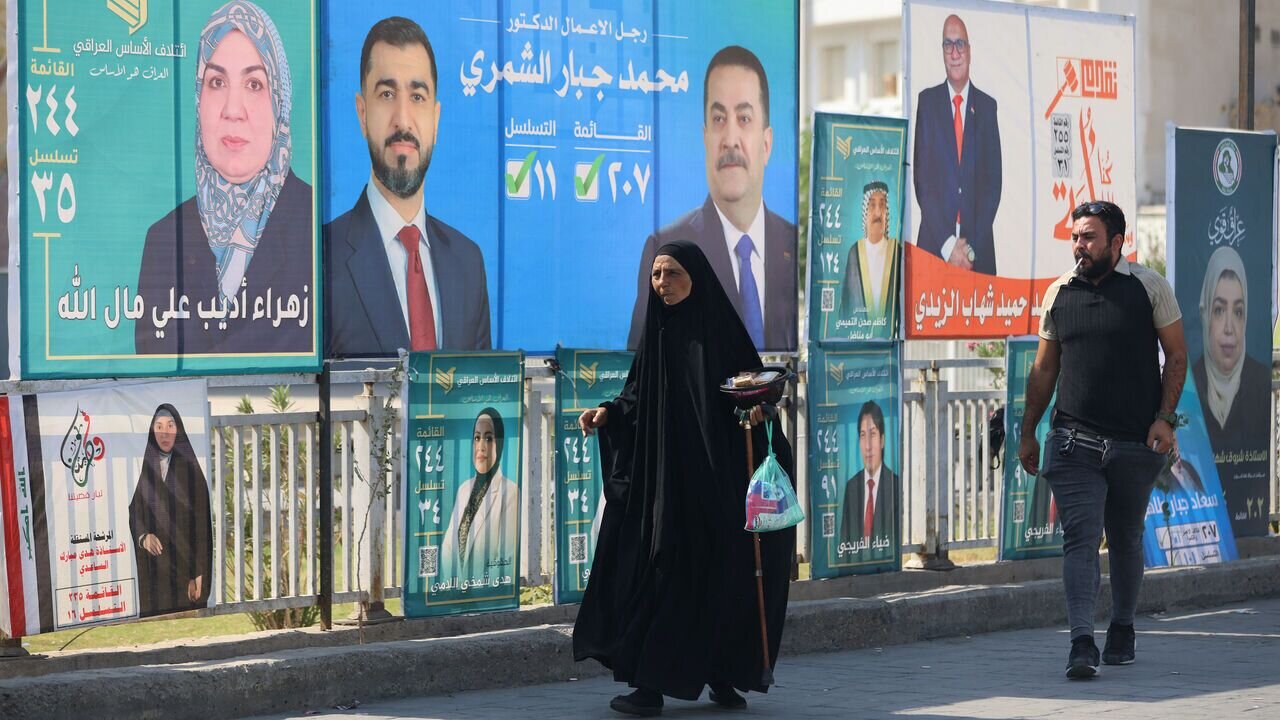
TEHRAN – Iraq’s Nov. 11 elections will test whether the new government will challenge U.S. control of oil revenues and sovereignty.
Iraq is set to vote this Tuesday, with voters choosing a leader who can rebuild relations between Iraq and the United States.
Many voters argue that more than two decades after the US invasion, the US still controls important parts of the country’s economy and politics, and that questions of sovereignty remain unresolved.
Oil exports are rapidly increasing in Basra, a city in southern Iraq. Tankers load millions of barrels of crude oil every day, bringing in billions of dollars. However, this money does not go to the central bank in Baghdad.
Instead, it goes to an account at the US Federal Reserve, where it remains under US supervision.
These proceeds were deposited in a fund formerly known as the Iraq Development Fund (DFI), which was later reorganized into the “Iraq 2 Account” at the Federal Reserve Bank of New York.
From there, the funds will be sent to the Iraqi Treasury for government spending, but only after approval and authorization through the U.S. financial system. This arrangement allows Washington to monitor every dollar and, if necessary, delay or limit Iraq’s access to its oil revenues.
The system was first created in 2003 as a temporary security measure after the fall of Saddam Hussein’s regime. This was intended to allow Iraq to transparently manage its oil revenues.
22 years later, it’s still there. The U.S. president renews the agreement annually, most recently in May 2025.
Critics argue that this has turned short-term measures into long-term management. Baghdad officials estimate that between $80 billion and $85 billion of Iraq’s oil revenues are currently held by the U.S. Federal Reserve.
The US government claims the system will help prevent corruption and protect Iraq’s economy. But many Iraqi voters say the US has too much influence.
Its influence was made clear when U.S. regulators restricted the use of dollars to dozens of Iraqi banks. This decision reduced the inflow of dollars into Iraq, causing the dinar to fall and the prices of everyday goods to rise. For shopkeepers and traders, the result is increased costs and reduced profits.
“The Americans say it’s for stability, but we are the ones paying the price,” said Ahmed, a trader in Baghdad’s Qarada district. “Our money is controlled by another country.”
The United States also has troops in Iraq, which many voters still view as an occupation. Together, these economic and military ties were key issues in the November 11 elections.
Several political blocs have pledged to restore sovereignty by demanding control over Iraq’s oil and gas revenues and pushing for a faster, more transparent timeline for ending the U.S. military presence.
At a recent summit in Egypt, US President Donald Trump told Iraqi Prime Minister Mohammed al-Sudani: “We have a lot of oil, but we don’t know what to do with it.”
His comments sparked a debate in Iraq over whether the United States still sees itself as Iraq’s guardian or overseer.
The next government will face difficult choices. Should we maintain the current system for stability, try to renegotiate it, or cut ties completely? Each option carries serious risks for Iraq’s economy and relations with Washington.
When Iraqis vote this week, they will decide more than who will lead them. They will decide whether their country can finally stand on its own, or whether the United States will continue to hold the financial and political levers that shape Iraq’s future.