
TEHRAN — Israeli attacks and bitter cold are adding to the hardships of Palestinians as humanitarian needs grow.
Israeli airstrikes have again hit parts of the Gaza Strip, breaking the so-called cease-fire agreement and further worsening the hardships faced by displaced families.
Israeli occupation forces targeted areas near the so-called “yellow zone” that remain under regime military control. Helicopters bombed northern Rafah, and additional attacks hit east of Khan Yunis and Gaza City’s Zeitoun district. Medical staff at the Nasser medical complex announced that three Palestinians were killed in the Khan Yunis attack.
People living near so-called “yellow zones” say their lives have become very precarious. Residents claim that regime forces continue to destroy their homes. One resident who lives just a few yards from the area said the situation continues to worsen as they don’t know when the next strike will occur.
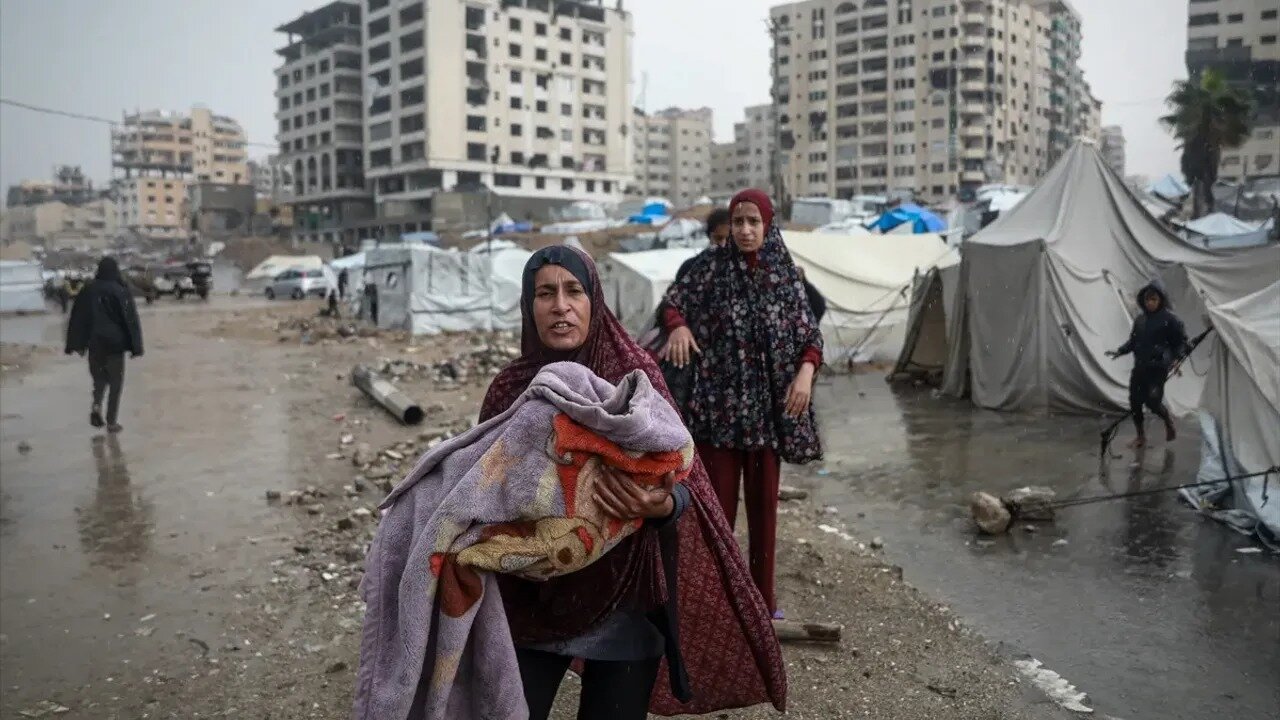
At the same time, Gaza faces an upcoming winter that is creating a new humanitarian crisis. Heavy rain and low temperatures flooded temporary tents and damaged shelters where many displaced people were staying. Aid groups say the Zionist regime has blocked tents, blankets and other winter essentials from entering the country, leaving families without protection.
Some of the shelters are currently flooded as they are located lower than their surrounding areas, with water flowing into the tents from all directions. Families are dealing with soggy mattresses, wet clothes and rising water inside the shelter. Some tents collapsed due to the rain. People living in the damaged buildings say water is leaking from the ceilings and walls and are worried that the buildings will collapse.
A displaced woman living in a flooded tent told Al Jazeera that she had spent the entire morning removing water from her shelter and had reached “extreme exhaustion.” She explained that she was a widow and had no relatives to help her and felt completely alone. “We just need help,” she said, describing how the children had no winter clothes or blankets.
Aid groups have warned that flooding increases the risk of illness as people are unable to keep their bedding and clothing dry. They also say families lack plastic sheets, heating fuel and other items needed to stay warm. Along the Gaza coast, some tents have been washed away by strong currents, forcing families to relocate again.
This is the third winter since the US-backed Israeli campaign of genocide began, with many Palestinians living in makeshift shelters unable to withstand the rain and cold. The situation is worsening as winter approaches and heavy rains fall on the besieged Palestinian territories. Aid groups have warned that children are sleeping in cold temperatures with wet clothes, and many families have no way to stay warm.
Although there are fewer explosions in some areas than before, the crisis is far from over. Air strikes continue, the humanitarian situation worsens, and essential aid remains limited. Under the control of the Israeli occupation regime and with limited access to vital supplies, families in Gaza face the winter with little protection and little hope of relief.