
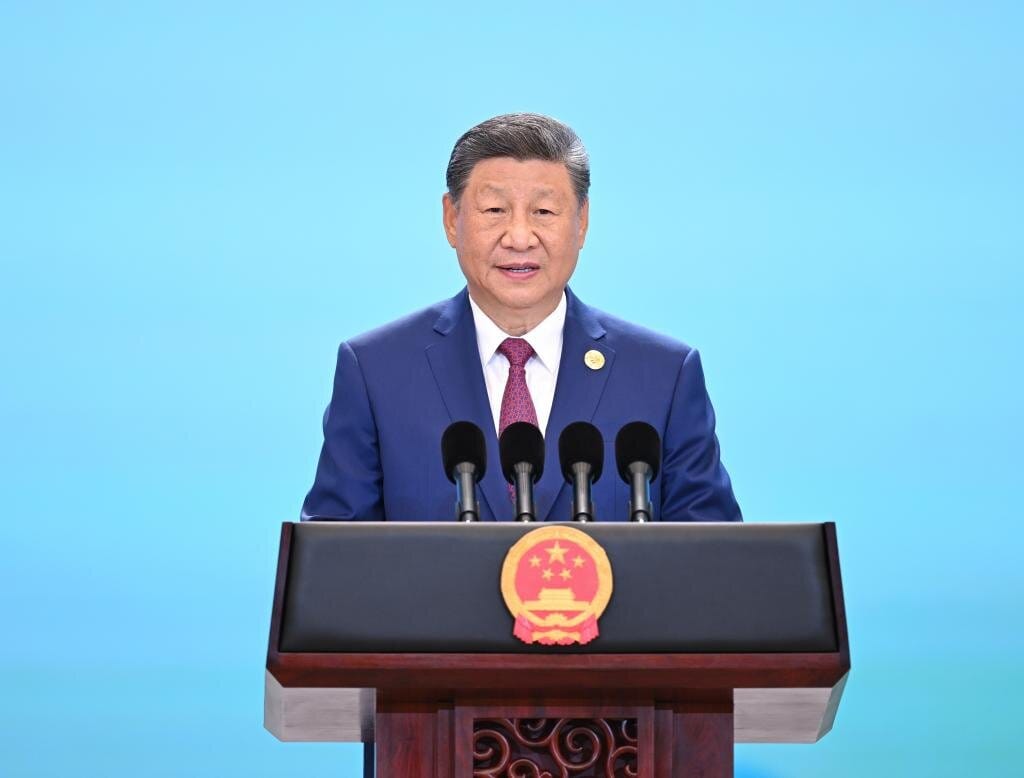
TEHRAN – Chinese President Xi Jinping’s remarks on the International Day of Solidarity with the Palestinian People highlighted China’s constructive role in Middle East diplomacy.
Mr. Xi has positioned the Palestinian issue as a test of international governance, emphasizing that it is central to regional stability and global justice. His principle that “Palestinians rule Palestine” affirms sovereignty and rejects solutions imposed from outside. This vision builds on Beijing’s mediation efforts, particularly the 2024 reconciliation talks in which 14 factions, including Hamas, Fatah and Islamic Jihad, signed the Beijing Declaration.
China’s ability to convene rival Palestinian groups in Beijing demonstrated its credibility as a mediator. The declaration was not only symbolic, but also a practical step towards unity, demonstrating that China can foster dialogue even when other efforts have stalled. Mr. Xi’s latest remarks confirm this achievement, positioning Beijing as a consistent defender of the Palestinian agreement. Unlike Western-led processes that are often criticized as biased, China’s approach emphasizes inclusivity and respect for all factions, reinforcing its image as a neutral mediator and reliable partner in the search for peace.
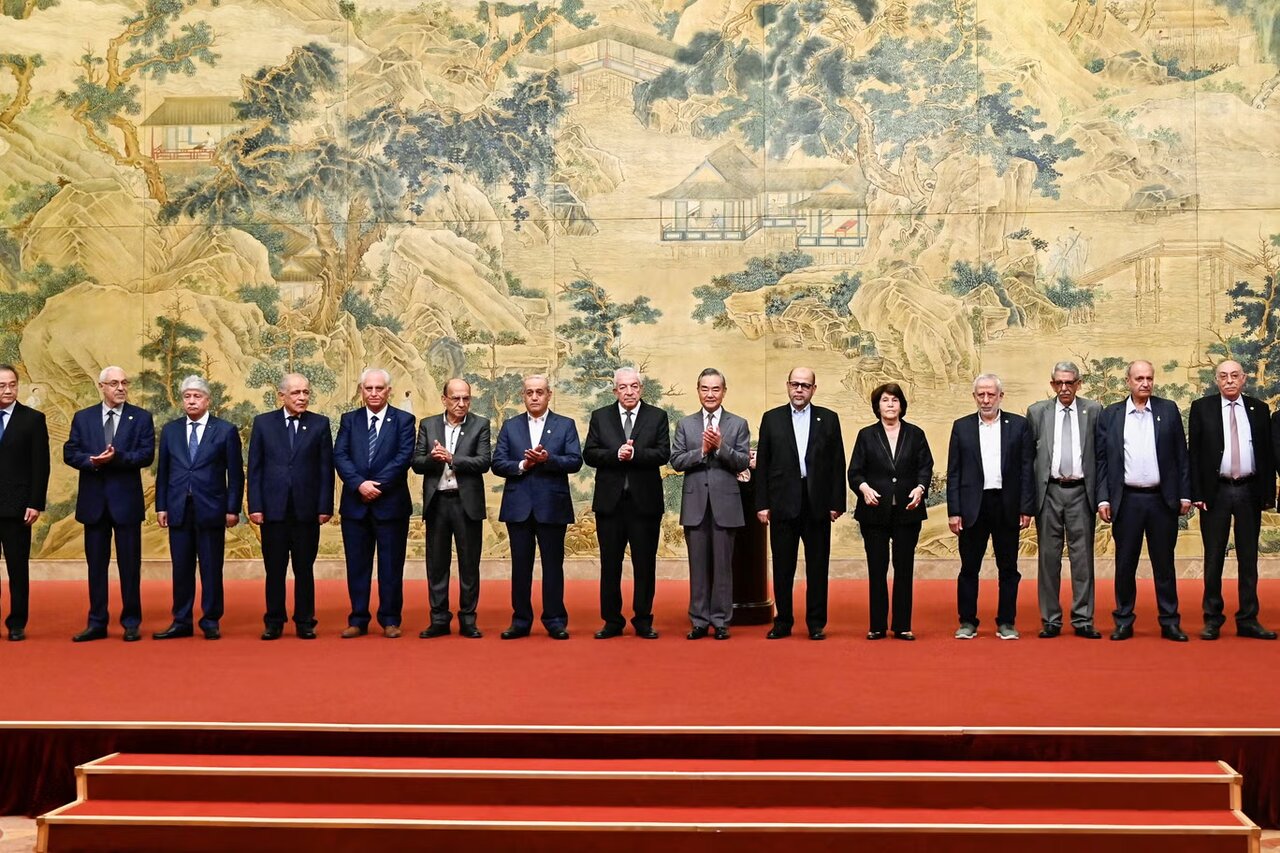
Chinese Foreign Minister Wang Yi (C) poses for a group photo with pro-Palestinian members during the signing of the Beijing Declaration at the Diaoyutai Guest House in Beijing in July 2024 (AFP via Getty)
Since the Gaza war began in October 2023, China has consistently called for an immediate ceasefire, condemned harm to civilians, and advocated a two-state solution. The Chinese government has provided humanitarian aid to Gaza, supported U.N. relief efforts, and used its seat on the U.N. Security Council to push for resolutions that prioritize Palestinian rights. These actions lend weight to President Xi’s message of unity and show that China’s words and actions are aligned. Through a combination of diplomatic pressure and material aid, Beijing has positioned itself as a reliable ally of the Palestinian people, an ally willing to take responsibility and act when others hesitate.
Mr. Xi’s message reflects China’s broader philosophy that true peace must be rooted in dignity and self-determination, not in arrangements imposed from outside.
Xi’s comments also resonate with China’s broader efforts, particularly the Global Security Initiative (GSI) and Global Development Initiative (GDI). His calls for equity, justice and the redress of historical injustices reflect the Geographical Institute’s emphasis on dialogue-based security, and his emphasis on humanitarianism reflects the GDI.
Placing Palestine within this framework suggests that Palestinian sovereignty is included as a cornerstone of China’s vision of a “community with a shared future for mankind.” As such, President Xi’s message is not isolated rhetoric, but part of a coherent foreign policy that incorporates Middle East diplomacy into China’s worldview.
Taken together, Mr. Xi’s statements and China’s actions since October 2023 demonstrate a consistent and principled policy. In addition to expressing solidarity, the Chinese government is actively shaping the conditions for peace through mediation, assistance, and advocacy at the United Nations. This stance strengthens China’s credibility among Arab countries and countries of the Global South, while consistent with China’s broader commitments on security, development, and equity. If you support Mr. Xi’s position, you could argue that China is emerging as a responsible power in West Asia that combines moral clarity with pragmatic diplomacy and places Palestinian rights at the center of a just international order.