
TEHRAN – Recent moves to end the war in Ukraine highlight the contradictions in Western diplomacy. While Washington insists on progress, Europe warns of principles, and Kiev expresses support for the “essence” of the American plan, the actual decisions are being shaped outside Ukraine. Moscow, on the other hand, has maintained a consistent position, dismissing European involvement as unnecessary and preferring direct dialogue with the United States.
President Donald Trump plans to send special envoy Steve Witkoff to Moscow for talks with President Vladimir Putin. President Trump said he was making “progress” and had already waived the Thanksgiving deadline, saying, “The deadline for me is when it’s over.” Although Ukraine has cautiously welcomed the US initiative, its role remains secondary and it is under pressure to accept compromises designed elsewhere.
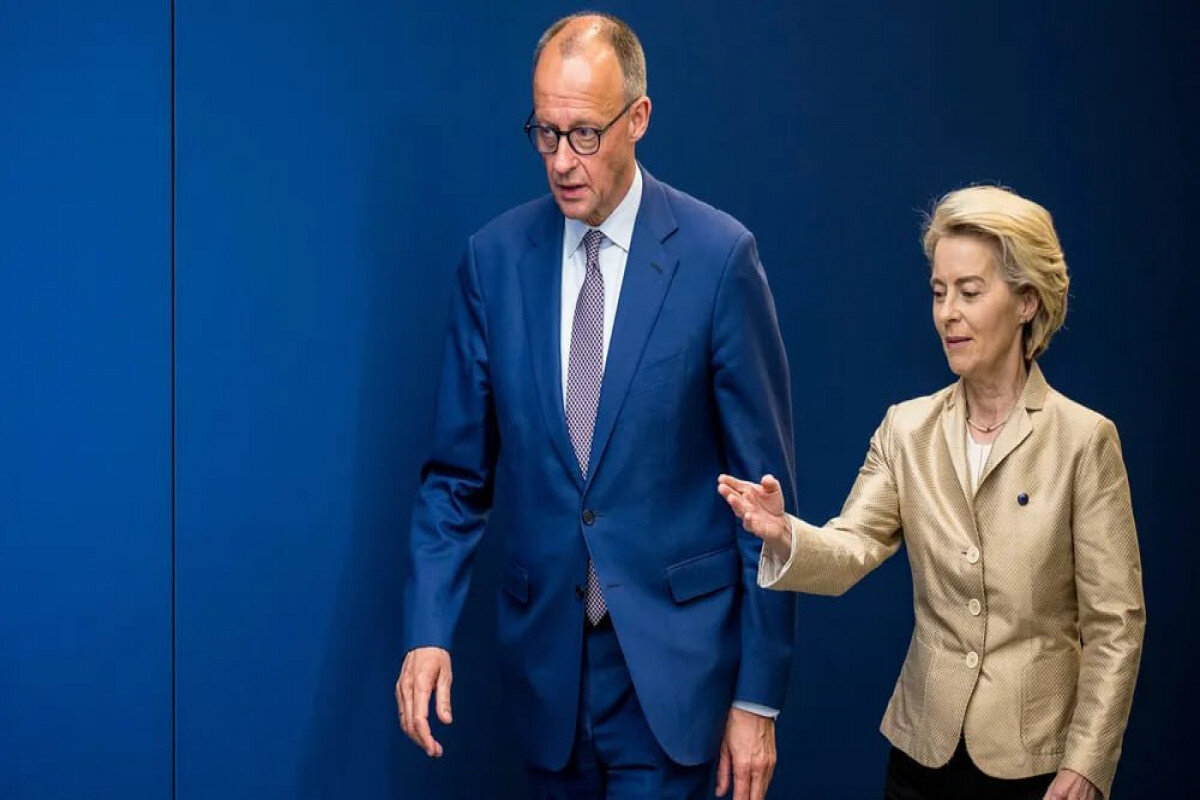
European leaders reacted defensively. Ursula von der Leyen warned against “dividing up” Ukraine and claimed Russia showed no real interest in peace.
In Berlin, German Chancellor Friedrich Merz addressed the Bundestag during deliberations on the 2026 budget. He pledged that Germany would increase aid to Ukraine to 11.5 billion euros next year and stressed that peace must not mean “surrender.” Merz said that maintaining peace in Europe is the government’s guiding principle, insisting that there can be no real solution without the consent of both Ukraine and European countries. He also supported the idea of using frozen Russian assets to finance Ukraine’s defense, but warned that Europe should remain its own sovereign entity rather than a pawn in broader negotiations.
But these statements reveal deeper European concerns that Washington could strike a deal with Moscow without Brussels’ input.
The US speaks of urgency, but is changing its schedule. Europe talks about values but struggles to keep pace. Both claim to protect Ukraine, but treat it as a pawn in a larger power struggle. Ukraine, the country at the center of the war, is under pressure to support compromises forged elsewhere. Its sovereignty is praised in speeches but ignored in practice.
Russia, by contrast, continues to maintain a consistent message. Kremlin aide Yuri Ushakov dismissed Europe’s role as “totally unnecessary.” From Russia’s perspective, European intervention complicates negotiations and reflects political posturing rather than a genuine search for compromise. Moscow has avoided the shifting deadlines and contradictory rhetoric that characterize Western diplomacy.
This situation exposes weaknesses in Western rhetoric. The United States is framing its plan as a peace negotiation, but appears willing to adjust the principles if it can secure an agreement. Europe asserts its values, but is driven by the fear of being ignored. Ukraine remains caught in the middle, under pressure to support compromises formed elsewhere.