
TEHRAN – Gaza remains a graveyard of shattered illusions in the shadow of the ceasefire allegedly brokered on October 10 under US President Donald Trump’s much-touted 20-point plan.
At least 100 Palestinians were killed in Israeli airstrikes between November 22 and 28. Twenty-four people were killed in the deadliest 24-hour period since the start of the ceasefire on November 22nd, four more on November 24th, 33 people killed in airstrikes on tents and homes in Khan Yunis and Gaza City on November 25th, one person in central Gaza on November 26th, and several more killed in drone and artillery fire on November 27th. 28 of these include a child injured in the Rafah tank fire and a man killed in Bani Suheila.
These are not isolated incidents, but a tragic continuation of a pattern. Since the ceasefire was announced, near-daily attacks have claimed the lives of more than 347 Palestinians, including more than 70 children, according to tallies by the Gaza Health Ministry and the United Nations.
From Khan Yunis to Beit Lahia, drones and artillery targeted civilians near the infamous “Yellow Line.” This arbitrary demarcation line has become a de facto license for lethal force.
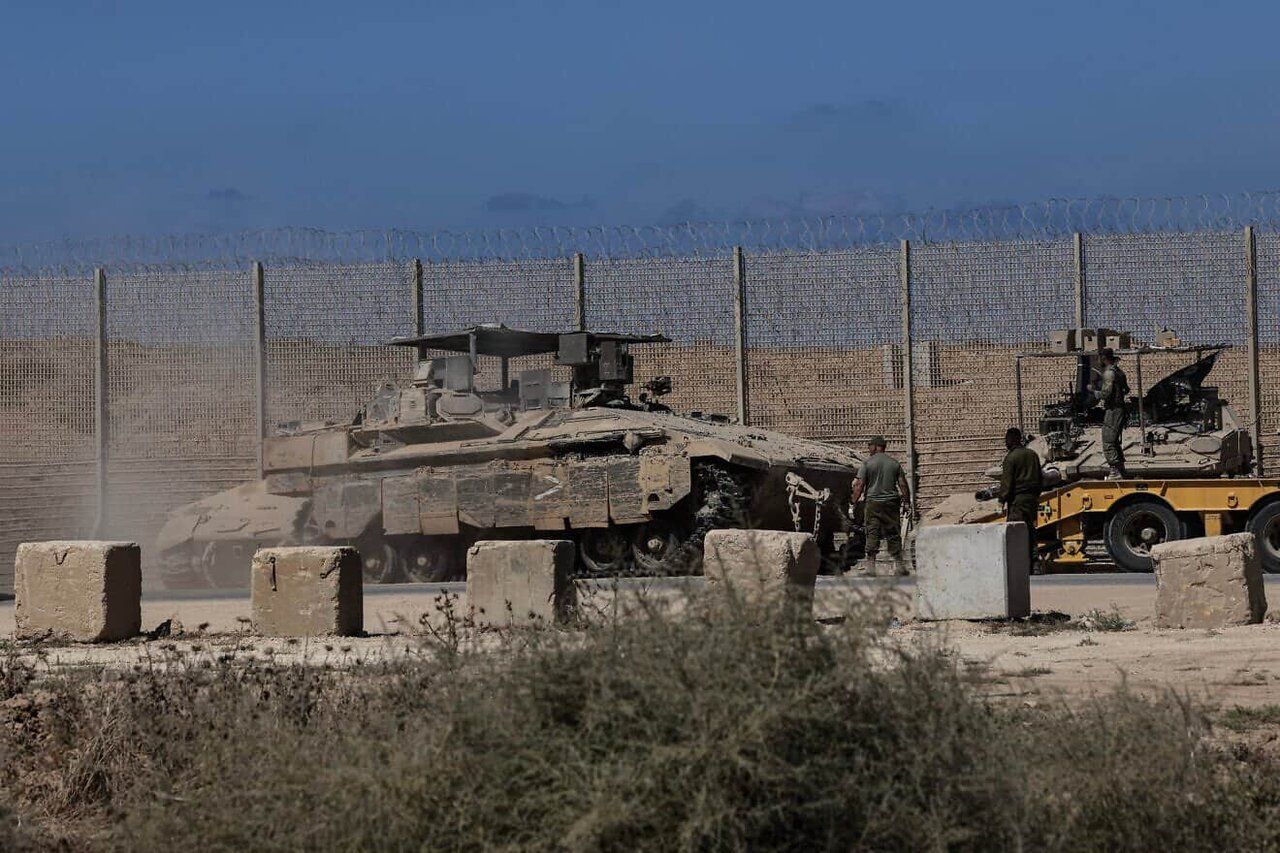
On November 28, one child was injured by Israeli tank fire in Rafah, and at least one person was killed in airstrikes and drone strikes in the area, as Israeli forces destroyed tunnels and pursued militants in eastern Rafah.
Four days ago, witnesses at the Magazi refugee camp described frantic 18-hour rubble digging operations interrupted by warning shots from Israeli drones circling overhead.
Violations are systematic, with the Gaza Media Agency recording 497 violations by November 22, including 228 bombings and raids that crossed the agreed line. By November 28, the Observatory had updated the number of incidents, including shooting, shelling and airstrikes in all five Gaza governorates, to more than 535.
In Khan Yunis, tanks entered the exclusion zone 300 meters and destroyed houses in a house-to-house sweep justified as “defense.” At Beit Lahia, three people whom Israel vaguely called a “threat” were eliminated by fighter jets.
On November 27, AFP news agency cited sources, including Hamas leaders, confirming that fighters trapped in southern Gaza are negotiating with a mediator to allow them safe passage across the yellow line.
The next day, Israel claimed to have killed nine similar militants in the tunnels through airstrikes and engineering means, bringing the total to 30, and vowed to continue the “search.”
In Rafah, a 29-square-mile buffer zone, one-fifth of Gaza, is preventing the return of 140,000 displaced Palestinians. War Minister Israel Katz’s pledge to evacuate “all of Rafah” makes it clear that the line is a means of annexation.
This looks more like gradual dispossession than security. Israel now controls 58% of the Gaza Strip through the Corridor Expansion and has demolished more than 100 properties to prevent returns.
Analysts say the ceasefire, negotiated without Palestinian cooperation, has enabled hundreds of violations in just over a month and reduced promises of reconstruction to rubble.
Humane strangulation compounds the horror. The ceasefire mandated the daily deployment of 600 aid trucks, but Israel restricted access to Routes 145-171 through two intersections and closed off the rest under military regulations.
The World Health Organization reports that only 18 of Gaza’s 36 hospitals remain partially functional, struggling to serve more than 2 million people.
US aid ensures impunity: $10.1 billion in weapons since January, including 35,000 pounds of bombs and helicopters. President Trump’s Oct. 29 statement aboard Air Force One, “The Israelis have fought back, and they must fight back,” resonated as a call for retribution, green-lighting violations while ignoring responsibility.
Hamas’ Izzat al-Rishek has captured Palestinian anger by saying Israel is violating the ceasefire by “inventing flimsy pretexts to justify its crimes.”
At the heart of it is President Trump’s 20-point plan, announced on September 29 and approved by UN Security Council Resolution 2803 on November 17, but which remains unsigned by Hamas and other Palestinian groups.
It would blockade the front, incorporate Israeli “security controls,” and offer aid and reconstruction only if the Palestinians accepted permanent military oversight, which Hamas refuses.
UN Special Rapporteur Francesca Albanese said: “After two years of genocidal attacks, this proposal solidifies the occupation before our eyes.”
Without dismantling the roots of occupation, such “peace” merely rebrands violence and conquest, reducing Palestinians to sacrificial pawns in a cynical theater of control.