
TEHRAN – From hearty stews to aromatic nougat, the flavors of Tabriz offer a vibrant gateway to Iran’s richest gastronomic traditions, positioning this historic city as a featured destination for gastronomic tourism.
As travelers around the world increasingly seek out authentic food experiences, Tabriz stands out as a city where every dish speaks of patience, artistry and cultural pride.
Around the world, gastronomy tourism has become one of the fastest growing travel sectors. Today, countries compete not only on scenic landscapes and modern tourist attractions, but also on unique local cuisines that reflect the identity of their communities. Food has become a powerful cultural ambassador, and in Tabriz, perhaps more than elsewhere in Iran, cuisine serves as a living museum of tradition.
Located in northwestern Iran, Tabriz is known for its Grand Bazaar, historical buildings, and outstanding craftsmanship. But what captivates visitors most is the city’s diverse culinary heritage, preserved in homes, market stalls and centuries-old teahouses. As travelers wander through the cobbled alleys of the city’s bazaars, they are greeted by the aromas of freshly baked bread, savory spices, and sweet pastries, each evoking memories of the city’s long history.
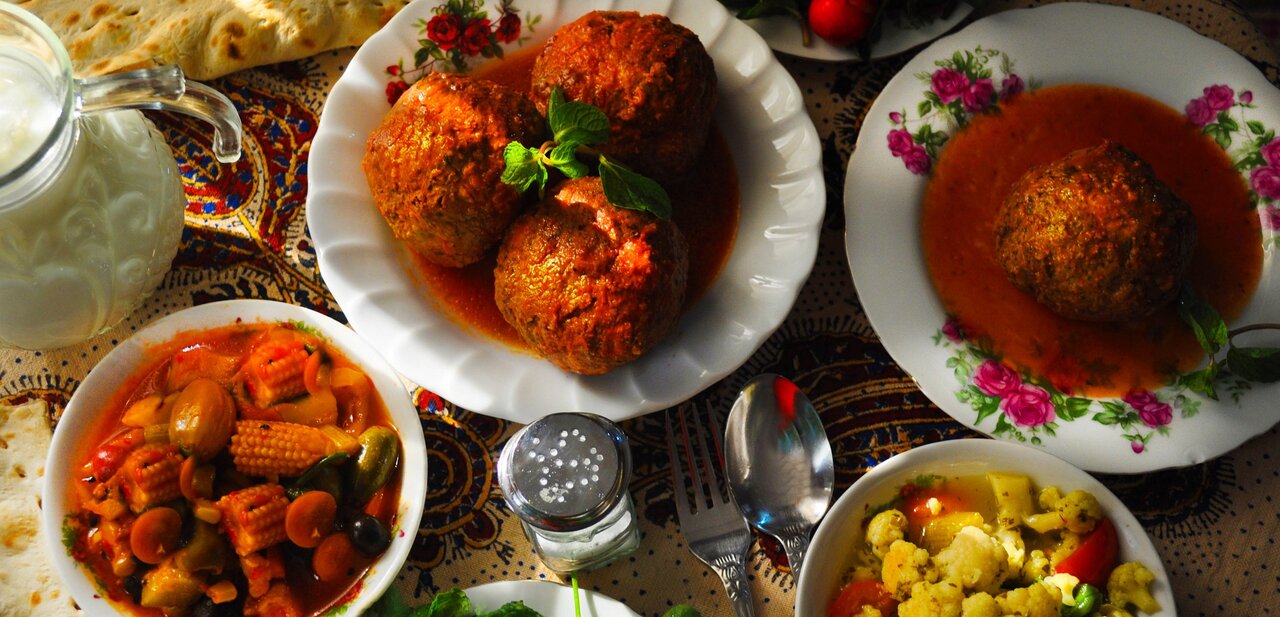
In Tabriz’s historic mansions, traditional cooking techniques have been passed down through generations. Hearty meatballs, delicately wrapped grape leaf dolmas, festive soups, bright stews, colorful nuts and sweets embody the patience and skill of local cooks. In Tabriz, food is more than just sustenance. It is a cultural language that is passed down from generation to generation.
Preserving food traditions
Tabriz’s traditional foods, sweets and nuts are central to the city’s identity. Each kufte, dolma, soup, stew, nougat or handful of nuts carries a story from the past. Tourists visiting Tabriz often describe tasting the local cuisine as a journey of the senses, which reflects their deep respect for the city’s artistry and tradition.
Many tour guides say that a visit to Tabriz is incomplete without sampling traditional cuisine, stating that local cuisine is a symbol of cultural memory, carefully crafted and shaped by generations of experience. “They are more than just a meal, they are an expression of perseverance, creativity and pride.”
Introducing many traditional dishes of Tabriz.
Kufteh Tabrizi (Tabrizi meatballs)
The history of kuft-e-tabrizi, a culinary feature of the region, dates back more than 200 years and is also mentioned in travelogues from the Qajar era. Giant meatballs made with minced meat, split peas, rice, aromatic herbs, pickled plums, walnuts and sometimes an egg to hold their shape are slow-cooked in a sauce of tomato paste, onions and local herbs. The combination of sweet and savory balance with a soft, nutty center makes it one of Iran’s most famous traditional dishes. Kufte Tabrizi is more than just a festive food, it is a symbol of craftsmanship and family tradition.
Dolmeh Barg-e Mo (Grape Leaf Dolmas)
With over 150 years of history, Tabriz grape leaf dolma is known for its careful wrapping and perfectly balanced flavour. Fresh grape leaves are stuffed with rice, minced meat, split peas and herbs and simmered with flavorful tomato paste and lemon juice. As a traditional holiday and celebratory dish, dolma embodies the hospitality and artistry of Tabriz cooks.
Local soup (ash)
The city’s comforting soups like ash must and dugava date back more than a century. Ash-e Mast is a blend of yogurt, rice, herbs, and sometimes meat, while Dooghava is often made during festivals and combines yogurt, rice, and herbs to create a nutritious and aromatic meal. These soups reflect Tabriz’s emphasis on healthy, balanced food.
Carrot stew (Khoresht Havidj)
A family favorite, Khoresht Havidi has been prepared in Tabriz households for over a century. Made with tender meat, carrots, onions, tomato paste, and spices, it’s slow-cooked to combine the natural sweetness and flavor of carrots. With its bright colors and gentle taste, it can be used for a wide variety of occasions, from everyday meals to ceremonial occasions.
A glimpse of traditional sweets
Nougat (Noga)
A century-old delicacy, nougat is made from egg whites, sugar, honey, and nuts such as almonds, pistachios, and hazelnuts. With its smooth texture and gentle sweetness, it is popular as a celebratory sweet and souvenir.
Squirrel (Alice)
Dating back 70-80 years, lisu is made from flour, sugar, butter and nuts, and is sometimes flavored with saffron. It is a popular traditional sweet with a slightly dry texture and rich sweetness.
Colavier
It is one of the oldest sweets in Tabriz, with a history of more than 100 years. Colavier is made from almond flour, sugar, egg whites, and rose water. Soft, fragrant and elegant in shape, it remains a festive favorite and a signature gift for visitors.
Roz (almond or pistachio candy)
Roz, which has been around for more than a century, is made from almonds or pistachios and sugar and shaped into a diamond or rectangle. Often lightly toasted and with a crunchy, nutty flavor, these candies are enjoyed during holidays and family gatherings.
Tabriz nuts (Ajr)
Azil (a traditional mixture of walnuts, almonds, hazelnuts, pistachios, raisins and dried fruits) is an iconic element of Tabriz’s hospitality culture. Each combination of nuts served during a celebration or gathering reflects the season and the host’s attention to detail.
Potential gastronomic destinations of the world
As gastronomic tourism continues to grow in importance worldwide, cities that preserve their culinary traditions are becoming increasingly valuable to international travelers. With centuries-old culinary traditions and a culture of hospitality, Tabriz has emerged as an outstanding destination.
For travelers seeking an authentic and flavorful journey into Iran’s gastronomic heritage, Tabriz offers a ‘one-of-a-kind’ experience. A city where every aroma, every spice, every sip is passed down through generations.
morning