
TEHRAN – Iranian authorities have lifted export restrictions on handmade backgammon boards, which officials say will open up new international markets, strengthen craft-based employment and support the country’s traditional artisans.
The Ministry of Cultural Heritage, Tourism and Handicrafts said the decision was made after months of coordination by the ministry’s deputy secretary for handicrafts and traditional arts. Following extensive consultations with trade promotion agencies, the Customs Service of the Islamic Republic of Iran, and other relevant authorities, this product is now permitted for export without restrictions.
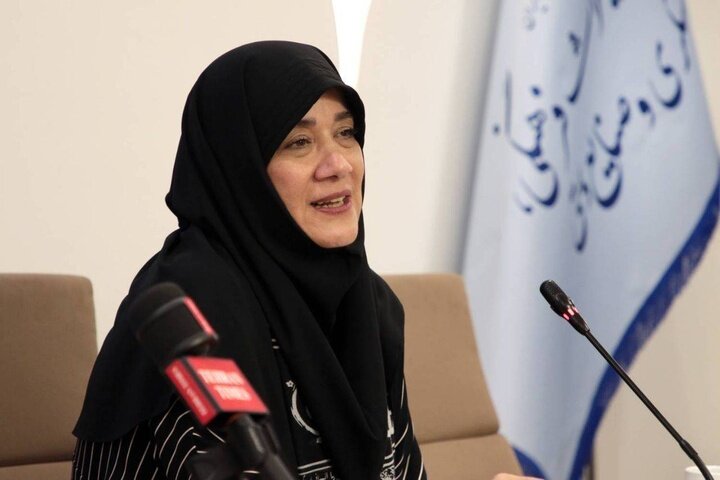
Mariam Jalali Dekordi, deputy minister for handicrafts and traditional arts, said the decision is an important achievement for Iranian artisans. “After continuous follow-up and extensive coordination with relevant institutions, the export of the precious ‘backgammon board’, one of the authentic symbols of Iranian handicrafts, has been officially permitted,” Jalali Dekordi announced.
He stressed that the move is in line with the government’s broader strategy to remove export barriers, promote foreign trade and provide comprehensive support to artisans and producers. “We hope that the full implementation of this circular by the national customs and commercial bureaus will significantly increase backgammon exports, strengthen sustainable employment in workshops, and expand the share of Iranian handicrafts in the world market,” she added.
Over the past few years, backgammon board exports from Iran have faced several restrictions, limiting access to overseas buyers and reducing potential income for artisans skilled in wood inlay, carving and traditional designs.
Backgammon – a game of strategy and chance that uses the numbers of two dice to compete against counters on a board – enjoys worldwide popularity that skyrocketed in the second half of the 20th century. Its deep historical roots in Iran have long been a point of cultural pride.
In 2023, archaeologists discovered ancient backgammon dice made of bone at the foothills of Motla Kuh in northern Iran’s Gilan province. According to provincial tourism authorities, the artifact was discovered during excavations in Amresh district, making it the first discovery of its kind in the region and providing further evidence of the game’s long presence in Iranian history.
morning