
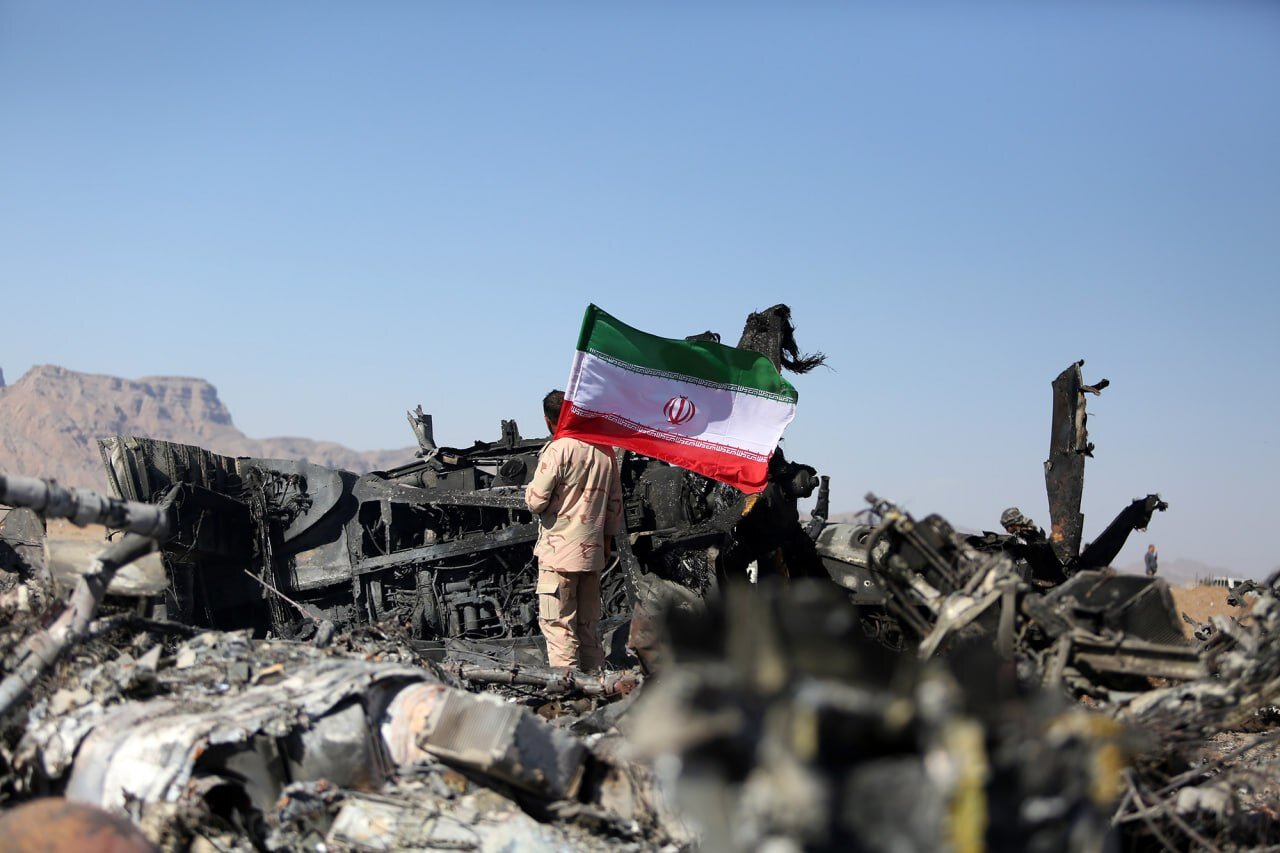
TEHRAN – After 40 days of war, Iran and the United States have agreed to a two-week ceasefire to negotiate on a 10-point peace proposal submitted by Iran through Pakistan last week. The first round of talks is scheduled for Friday in Islamabad, provided Israel does not succeed in breaking the ceasefire agreement, which Pakistan and the belligerent parties began violating just hours after it was announced.
The prime minister of Pakistan, which maintains good relations with Iran and the United States, was the first to break the news. Prime Minister Shehbaz Sharif said in a post on X that the ceasefire would halt gunfire between Iran and the United States and Israel’s bombing of Lebanon. He expressed hope that the Islamabad talks will achieve “sustainable peace” in West Asia.
US President Donald Trump said in a social media post that the US views Iran’s 10-point plan as a “viable basis for negotiations.”
U.S. Army Secretary Pete Hegseth insisted at a press conference Wednesday that the Trump administration has achieved all of its war goals, including preventing Iran from developing nuclear weapons. He added that Iran no longer has “any kind of comprehensive air defense system” and that “Iran’s missile program is functionally destroyed.”
Iran never sought to develop nuclear weapons, a fact confirmed by the IAEA’s most comprehensive inspection regime, which began in 2015 until the US bombed Iran’s nuclear facilities in June and claimed to have “destroyed” them. The Iranians entered a second round of negotiations with the United States in February to reach an agreement that would limit their nuclear program and guarantee that they would not develop nuclear weapons, but the Trump administration also derailed those talks by starting the latest war on February 28. According to a fatwa (religious decree) issued by the late leader of the Islamic Revolution, Seyyed Ali Khamenei, Iranians are not allowed to develop nuclear weapons. His son, Seyyed Mojtaba Khamenei, who is now his successor, has not yet repealed the decree.
Hegseth’s claims of degrading Iran’s missile program and air defense systems also lack on-the-ground evidence. Since the war began, Iran has continued to fire missiles and drones at US military bases in seven countries as well as Israel. The latest wave of attacks, the 100th, took place on Wednesday, hitting 25 sites in Israel and the Persian Gulf. Iran has also closed the Strait of Hormuz to hostile government vessels throughout the war, and for the next 14 days ships will only be allowed to sail in coordination with Iranian forces.
“Iran begged for this ceasefire, and we all know that…Operation Epic Fury was a historic and overwhelming victory on the battlefield,” Hegseth asserted in the briefing. However, sources told the Tehran Times that the US army chief’s statement was completely false and that it was the US government that had “begged” Iran for a ceasefire.
America lost a war started because of delusions.
Analysts say President Trump’s war was based on miscalculation. They believed that by assassinating Ayatollah Khamenei on the first day of the war and carrying out relentless bombing of civilian facilities, either the Iranian people would overthrow the Islamic Republic or the government would be forced to surrender. Some reports suggest that Israel was the mastermind behind the war.
Instead, Iranians rallied behind the Islamic Republic, taking to the streets every night to show support for their government despite constant US and Israeli shelling. Iranian officials also refused to back down, saying they were willing to carry out their mission and die for their country despite constant threats of assassination. Several senior Iranian officials have been assassinated in the past 40 days, including security chief Ali Larijani, each replaced by equally determined successors.
Analysts say the Trump administration significantly underestimated Iran’s military capabilities. According to reports, at least 70% of US military bases across West Asia are now in ruins. The situation in the Strait of Hormuz has caused energy prices to rise significantly, and the impact on the global economy is expected to continue even if the war ends indefinitely.
Iran said it remains ready to resume all-out war against American and Israeli interests if it deems the Americans are not serious about diplomacy again. Khatam al-Anbiya, the central headquarters overseeing the war, said in a statement that it was awaiting the outcome of negotiations, but acknowledged it was “holding the trigger.”
According to reports in Hebrew media, Israel is dissatisfied with the prospect of a ceasefire and agreement. The administration’s actions corroborated these reports. Israel attacked a refinery on the southern island of Laban on Wednesday morning, and Iran responded by attacking U.S.-affiliated energy facilities in the UAE and Kuwait.
Israel also carried out one of its worst massacres against Lebanon after the ceasefire was announced, killing and wounding hundreds in bombing raids across Beirut. Sources told Fars news agency that Iran is also preparing to respond to such attacks.
Joe Kent, the former director of the US National Counterterrorism Center who resigned in March in protest of the war against Iran, said in a video message posted on
“The last thing we need is for Israel to do what it has done in past negotiations, which is to target negotiators or launch a series of attacks that escalate the conflict,” Kent said.