
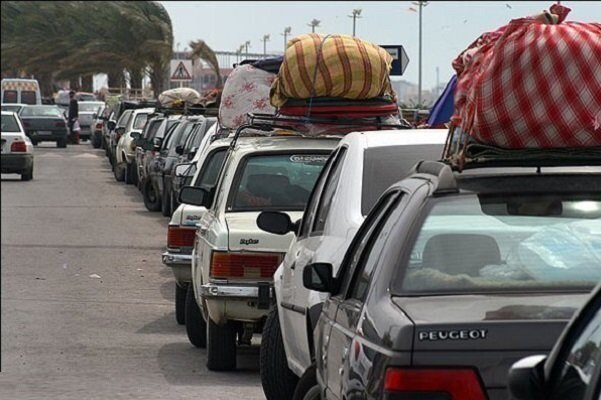
TEHRAN – The number of domestic tourists in Iran during the Nowruz holiday period exceeded 29 million, a significant increase compared to the previous year, according to an announcement by the Ministry of Cultural Heritage, Tourism and Handicrafts.
In a statement released on Saturday, Deputy Tourism Minister Anushirvan Mohseni Bandpei said the 2026 Nowruz holiday, which was hit by an unprecedented situation, not only served as a way to spend leisure time, but also as a tool to restore social resilience and calm. “This year’s Nowruz has seen a fundamental shift in travel patterns, from being primarily leisure-based to one that emphasizes safety,” he said.
The Deputy Minister highlighted a noticeable trend towards smaller cities and rural areas. “Costs have shifted from entertainment to purchasing essentials, and travel plans have become more fluid and less structured,” Mohseni-Bandpei explained.
According to data based on SIM card usage, the most visited provinces were Mazandaran with 4.48 million visits, Gilan with 3.21 million visits, Khorasan Razavi with 1.81 million visits, and East Azarbaijan with 1.66 million visits. The region with the least number of visitors was Bushehr, which ranked 31st with only 232,943 tourists.
Seyed Reza Salehi Amiri, Minister of Cultural Heritage, Tourism and Handicrafts, also commented on the high number of Nowruz trips and pointed to the country’s difficult situation, including security, military and social crises. “Iran is facing one of the greatest imposed crises of this century due to the military conflict involving the Zionist regime of Israel and the United States, and the Iranian people are being exposed to a historic test.”
Salehi Amiri added that the surge in domestic travel reflects the resilience of the Iranian people and their efforts to manage the ongoing wartime situation.
The minister praised the efforts of local officials, including governors, mayors and village heads, saying these efforts are essential to ensure the smooth running of the country during these difficult times. “The administration is now at the forefront of service delivery, with all branches, from the (Iranian) president to field managers, focused on one mission: to serve the people with integrity.”
The minister also emphasized the international unity of Iranians, noting that the Nowruz era witnessed unprecedented unity among Iranians at home and abroad. “This unity, which is rare in this post-revolutionary period, shows that the Iranian people will come together to protect national interests in the face of historical challenges.”
Nowruz, the Persian New Year, is one of the most important holidays in Iran and marks the first day of spring and the beginning of the new year in the Iranian calendar. During this period, millions of Iranians travel across the country to visit family, enjoy the change of seasons, or simply take a break from everyday life. These trips are deeply rooted in Iran’s cultural and social fabric, with many visiting both urban centers and rural areas.
Nowruz travel typically peaks during the two-week holiday period, with the highest volume of movement occurring on the first day of Farvardin (the first month of the Iranian calendar).
Although large cities such as Tehran, Isfahan, and Shiraz remain popular destinations during Nowruz, a notable trend in recent years is the increasing popularity of small towns, rural villages, and natural sites. Many Iranians are looking for quieter and less crowded places to spend their holidays.
Another aspect of Nowruz travel is the growing focus on “safe” and “affordable” destinations. Rising travel costs are causing some families to reconsider their travel plans and prioritize destinations that are within driving distance and less expensive.
During the holiday period, the Iranian government and local authorities will play an active role in ensuring the smooth flow of travel. Traffic management, road safety measures, and provision of temporary accommodation facilities are being organized to accommodate the rapidly increasing number of tourists. Special Nowruz-themed events, festivals, and exhibitions are frequently held in major tourist destinations, adding cultural engagement to the travel experience. Despite the challenges associated with high demand for services and infrastructure, Nowruz travel remains an important part of Iranian culture, symbolizing rebirth, family ties, and the joy of welcoming the new year.
morning