
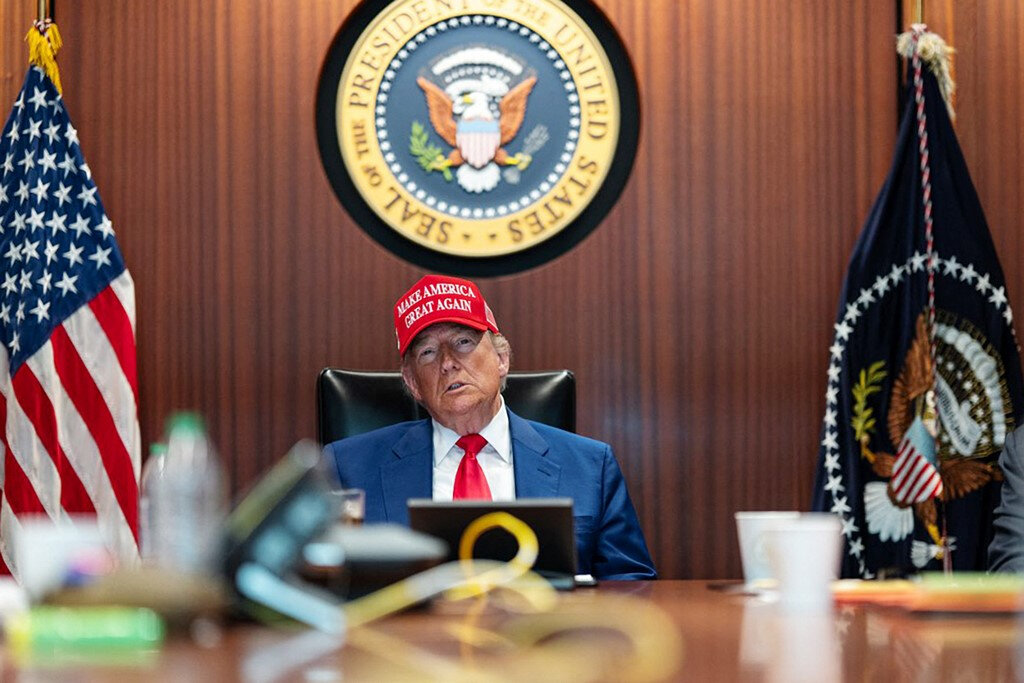
TEHRAN – In a diplomatic victory for Iran, the United States has agreed to halt all attacks for two weeks after President Donald Trump capitulated to Tehran’s 10-point comprehensive peace plan. The announcement came after the failed joint US-Israel military operation against Iran on February 28, highlighting Iran’s ability to dictate terms and assert its strategic position in the region. Analysts say the ceasefire highlights Iran’s growing influence and the limits of American military intervention.
The ceasefire drew reactions from leaders and organizations around the world and underscored both Iran’s diplomatic clout and the international community’s emphasis on negotiations over military escalation.
Reaction in the US
War against Iran has become increasingly unpopular in the United States, even among Trump supporters and some in the Republican Party. Democratic lawmakers have voiced strong opposition, with some calling for the president’s removal from office. Senate Minority Leader Chuck Schumer offered a scathing critique of X, saying, “Trump is a military idiot. His war, which cost $44 billion and more than $4 in gas, has left us worse off today than when he started it. And if he restarts this war, we’ll be in an even worse situation. We must pass the War Powers Resolution to end this war for good.”
Pakistan leads regional mediation
Prime Minister Shehbaz Sharif, whose country is brokering a ceasefire, thanked Pakistan’s partners, including China, Saudi Arabia, Turkey, Egypt and Qatar, for their “valuable and full support” in facilitating the ceasefire. Sharif stressed that collective diplomatic efforts enabled a “comprehensive and decisive end to the conflict” and demonstrated the effectiveness of regional cooperation against external military pressure.
India seeks diplomacy
India welcomed the ceasefire and stressed the importance of dialogue and de-escalation. India’s Ministry of External Affairs stressed the need for uninterrupted navigation and trade through the Strait of Hormuz, noting that regional conflicts have already disrupted global energy supplies and trade networks.
China supports peace efforts
China welcomed the ceasefire and expressed support for Pakistan-led mediation. Foreign Ministry spokesperson Mao Ning reiterated that conflicts in the Middle East and the Persian Gulf need to be resolved through political and diplomatic channels to ensure long-term stability. Mao Zedong emphasized that China also actively contributed to mediation efforts.
Russia welcomes ceasefire
The Kremlin hailed the agreement as an important step toward easing tensions. Spokesman Dmitry Peskov said: “Both sides should be able to protect their interests at the negotiation table, not through military action.” Russia’s response reflects a shared interest in containing conflict and promoting diplomacy in the region.
Western leaders urge negotiations to continue
Several European leaders, alongside Canadian Prime Minister Mark Carney, issued a joint statement supporting the ceasefire and the role of Pakistan and other partners in facilitating it. The statement, signed by President Emmanuel Macron, Prime Minister Giorgia Meloni, Prime Minister Olaf Scholz and Chancellor Rishi Sunak, called for swift progress towards a substantive negotiated solution. Officials stressed that full implementation of the ceasefire is essential to protect civilians, ensure regional security and prevent a global energy crisis.
praise peace
Turkish President Recep Tayyip Erdogan expressed hope that the ceasefire would hold, while Foreign Minister Hakan Fidan reaffirmed Ankara’s commitment to lasting peace in talks with Iranian officials. Lebanese President Joseph Aoun welcomed the ceasefire and stressed the importance of including Lebanon in regional stabilization efforts. Qatar described the ceasefire as a first step towards easing tensions and called for it to be strictly adhered to in order to establish calm. Armenian Prime Minister Nikol Pashinyan praised the agreement and asserted that diplomacy must prevail to resolve outstanding issues.
Arsenio Dominguez, head of the International Maritime Organization, also welcomed the ceasefire and confirmed that measures were being taken to ensure the safe passage of ships through the Strait of Hormuz. Pope Leo XIV described the ceasefire as a “sign of real hope” and called for a return to negotiations to finally end the conflict.
Iran’s strategic victory
The ceasefire represents a clear diplomatic and strategic success for Iran, demonstrating its ability to withstand external pressure and shape regional outcomes on its terms. Experts say the deal strengthens Iran’s position as a regional power capable of defending its interests through diplomacy and calculated restraint, while limiting the ability of the United States and its allies to impose a military solution.
A two-week ceasefire has come into effect, and the focus now turns to continuing dialogue and negotiations to secure a durable solution. Analysts see the ceasefire as a turning point to stabilize the Middle East and prevent further escalation, highlighting the effectiveness of Iranian diplomacy and the influence of regional mediators in resolving the conflict.