
TEHRAN – The commander of Iran’s Islamic Revolutionary Guards Corps (IRGC) said the force’s current level of readiness is “much higher” than during the 12-day war, saying the IRGC has reached the pinnacle of its strength and readiness.
Ebrahim Rezaei, a member of parliament and a spokesperson for the National Security and Foreign Policy Committee, announced that the committee held a joint meeting with Major General Mohammad Pakpour, commander-in-chief of the Revolutionary Guards, as well as senior lieutenants and officers of the corps.
Rezaei said Brigadier General Kademi, the head of the Revolutionary Guards’ intelligence service, also attended the meeting. The commanders of the Revolutionary Guards released a detailed report on their recent activities and operations over the past few months.
During the session, Maj. Gen. Pakpour reviewed the Revolutionary Guards’ achievements since taking office, with a particular focus on the 12-day war and a series of military operations carried out to “chastise the Zionist regime” and take “a decisive response” to its actions, especially in the aerospace field.
“The commander analyzed the current regional and domestic situation and announced that the Revolutionary Guards are fully prepared to confront any threats or hostilities,” Rezaei said. “He emphasized that the Corps’ readiness level today is much higher than during the 12-day war and is at the peak of its strength and capabilities.”
Rezaei added that Brigadier General Kademi briefed the lawmakers on the overall security situation in the country and outlined the measures taken to strengthen national security.
Committee members particularly praised the “efforts and sacrifices” of the Revolutionary Guards during the 12-day war and reaffirmed Congress’ full support for the Corps, especially the National Security and Foreign Policy Committee. They also pledged to use all the capabilities of Congress to support and strengthen the Revolutionary Guards.
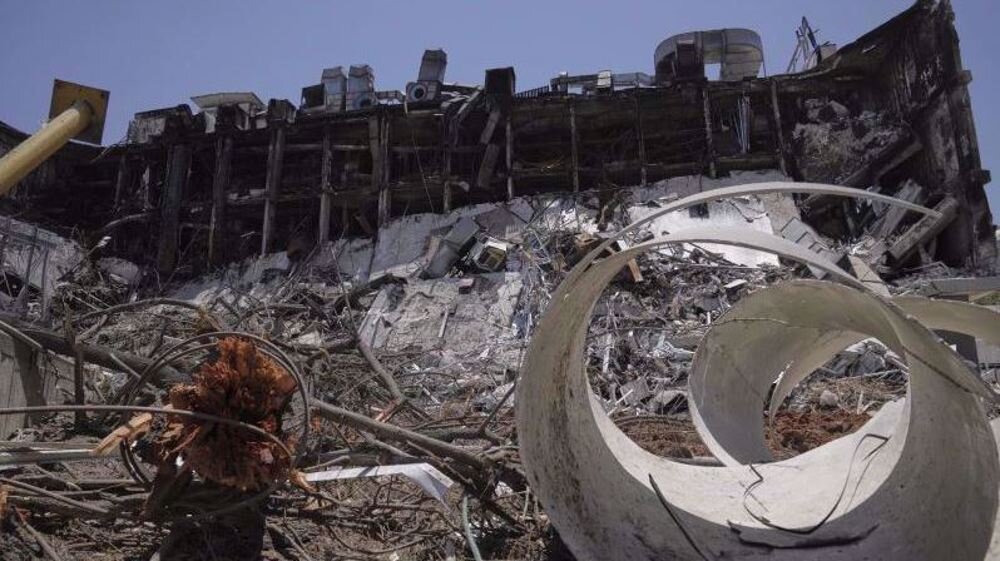
On June 13, Israel launched a blatant and unprovoked act of aggression against Iran, sparking a 12-day war that left at least 1,064 people dead in the country, including military commanders, nuclear scientists, and civilians. The United States also entered the war by bombing three Iranian nuclear facilities in clear violation of international law.
In response, the Revolutionary Guards launched a series of carefully calculated missile and drone attacks over 12 days. These targeted attacks are now known to have amounted to 22 different operational waves, dismantling Israel’s major military, intelligence and technological infrastructure and leading to a cessation of hostilities.