
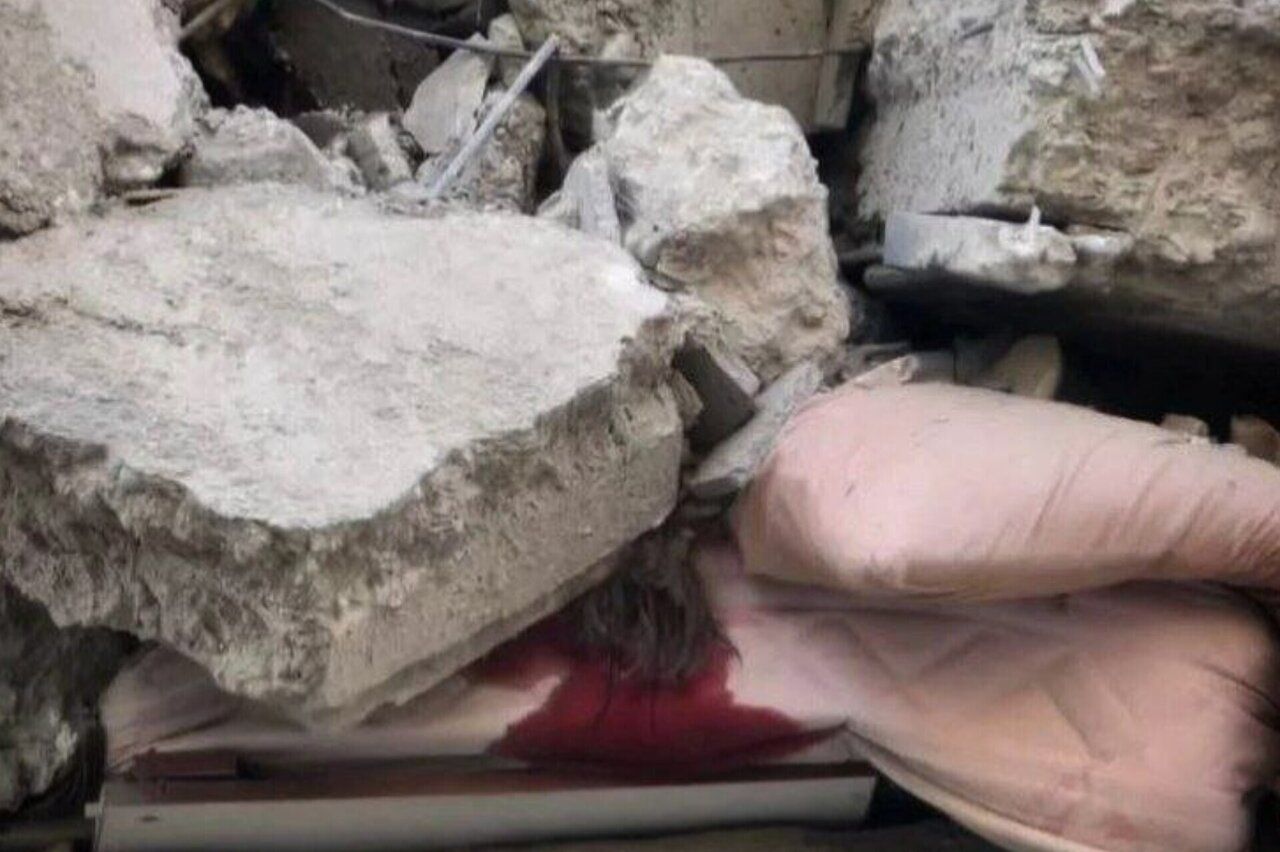
Tehran – The Iranian literary community is mourning the tragic loss of Parniya Abbasi, a talented young poet killed along with her family. The attack, which took place just days before Abbasi’s 24th birthday, has deeply shaken writers, artists and citizens around the country.
Celebrated for her moving and introspective poetry, Abbasi was recognized as a rising star among the new generation of Iranian poets. Her works, including the acclaimed poem “Silent Star,” have been featured in major literary magazines such as “Vazn-e Donya.”
She is also an English teacher and a staff member of Meri Bank’s Central Branch, and holds a degree in English translation from Kazbin International University. Recently, she was accepted into a Masters course in Management, but she chose to postpone her research to maintain her job.
The airstrikes insisted on the life of her parents, Abbasi, and her younger brother, Perham, a high school student born in 2009. According to Abbasi’s best friend, Mariam, the two planned to meet on the morning of the attack. Mariam arrives at the scene after the bombing and witnesses rescuers recovering the bodies of Abbasi and her brother from the tile rub.
The Israeli strike targeted both military and civilian regions, causing dozens of casualties, causing widespread condemnation. The tragedy has strengthened calls from international organizations and Iranian authorities for greater protection of civilians in conflict zones.
Abbasi’s poems often explored themes of light, shadow, and existential aspirations. In “Silent Star,” she writes:
>I cried both of us
>For you
>And for myself
>You blow my tear stars away
>In your sky
>In your world
>There is freedom of light
>In my world
>The Shadow Play
>Somewhere
>You and I will come to the end
>The most beautiful poem in the world
>I’ll be silent
>Somewhere
>You’ll start
>You scream the whispers of life
>At a thousand places
>I’ll come to the end
>I’m burning
>I’m going to be a silent star
>It will turn into smoke in your sky
Friends, colleagues and mentors express their deep sadness, describing Abbasi as “full of life and poetry.” Social media and cultural organisations across Iran have issued statements denounced the attacks and lamented the loss of promising young artists whose creative journey has been shortened by violence.
Israeli airstrikes in Tehran, carried out with US support, have led to the deaths of innocent civilians, not just senior Iranian officials and nuclear scientists. These events have intensified anger over what many people in Iran and the region consider to be a serious violation of international law. The tragedy of Parniya Abbasi and her brother Parham have become a powerful symbol of the civilian suffering caused by these attacks, and is widely accused of acts of attack supported by American policies in the region.