
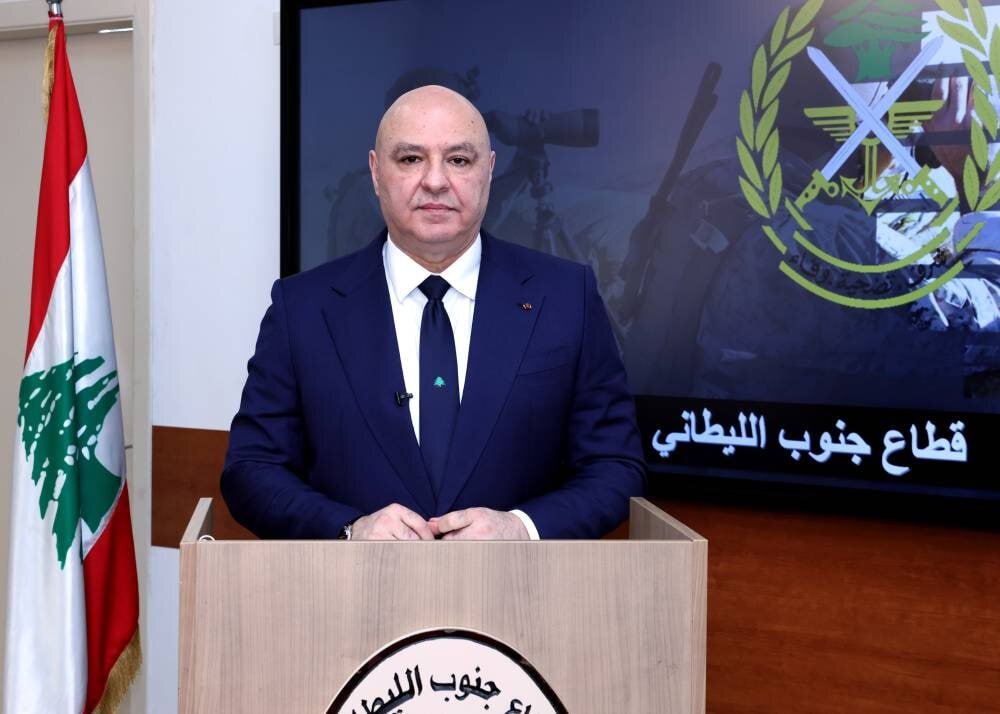
BEIRUT — Lebanon’s 82nd Independence Day speech was delivered in a domestic context characterized by uncertainty, sacrifice and a persistent yearning for a concrete “third” independence defined by security, territorial integrity and true sovereignty.
President Joseph Aoun’s speech from the southern Litani district of Tire was rhetorical, similar to the Arab League’s longstanding declarations since 1948, highly symbolic but divorced from the concrete reality on the ground.
Although this speech evoked historical pride and national sentiment, its portrayal of the Lebanese resistance as “a group of actors denying regional change” was in direct contradiction to reality.
In fact, only Hezbollah has shown a realistic awareness of changing regional dynamics.
The Resistance is continually recalibrating its strategy, monitoring evolving threats, and adjusting its posture to keep Lebanon safe. This is a perspective thoroughly documented in a recent Open Book.
The speech also emphasizes negotiation as a key tool for dealing with external threats. However, historical experience has repeatedly shown the limitations of such an approach.
From the Oslo Accords to the Beirut Initiative to the current ceasefire and all so-called “peace agreements” have failed to prevent Israeli expansionism, territorial abuses, and threats to Lebanese civilians.
Israel’s enemy has occupied strategic areas of Lebanon, fortified settlements, and maintained military positions that endanger the country’s sovereignty.
Civilians remain under continued threat, with communities in particular in border areas and the Bekaa Valley being subject to harassment and displacement by both external actors and extremist proxies.
The speech fails to recognize this reality and fails to honor the sacrifices of the Lebanese people who were forced to endure occupation and invasion.
The speech also cited the Gaza agreement as a model for conflict resolution. But it overlooks the daily violations and human costs in the Gaza Strip, the systematic killings, restrictions on Palestinian identity, and the imminent threat of new hostilities.
By portraying such an agreement as an ideal model, Aoun’s speech misses the core lessons highlighted in Hezbollah’s open book. In other words, only agreements rooted in enforceable deterrence can truly protect sovereignty and protect civilians.
Similarly, Aoun praised the engagement with the Syrian state as constructive. In reality, this overlooks the persistent threat posed by al-Julani militants, who continue to forcibly expel dozens of families from their homes and lands on the eastern border and terrorize them.
Under these circumstances, such engagement cannot strengthen Lebanon’s sovereignty. Rather, it exposes the state’s vulnerability to external manipulation and highlights the human costs that ordinary citizens continue to bear.
Similarly, references to economic recovery are often attributed to bank policy, without recognizing that many measures disproportionately target communities supporting resistance, while hindering post-conflict recovery.
Diplomatic actions, such as high-profile visits by regional leaders like bin Salman, were presented by the president as achievements to be celebrated.
In reality, however, the visit is primarily aimed at strengthening Saudi influence and pursuing transactional interests such as arms deals and possible normalization with Israel, rather than having any real benefits for the sovereignty of Lebanon or other Arab states.
Structurally, the president’s speech oscillated between symbolism and optimism, but did little to close the gap toward actionable policy. While emotional rhetoric unites, it cannot restore displaced populations, rebuild infrastructure, or make the nation secure.
The persistent activities of armed resistance, rooted in strategic foresight and operational preparedness, remain the real guarantee of Lebanon’s security and autonomy.
*The views expressed in this article are solely those of the author and do not necessarily reflect the editorial stance of Tehran Times.