
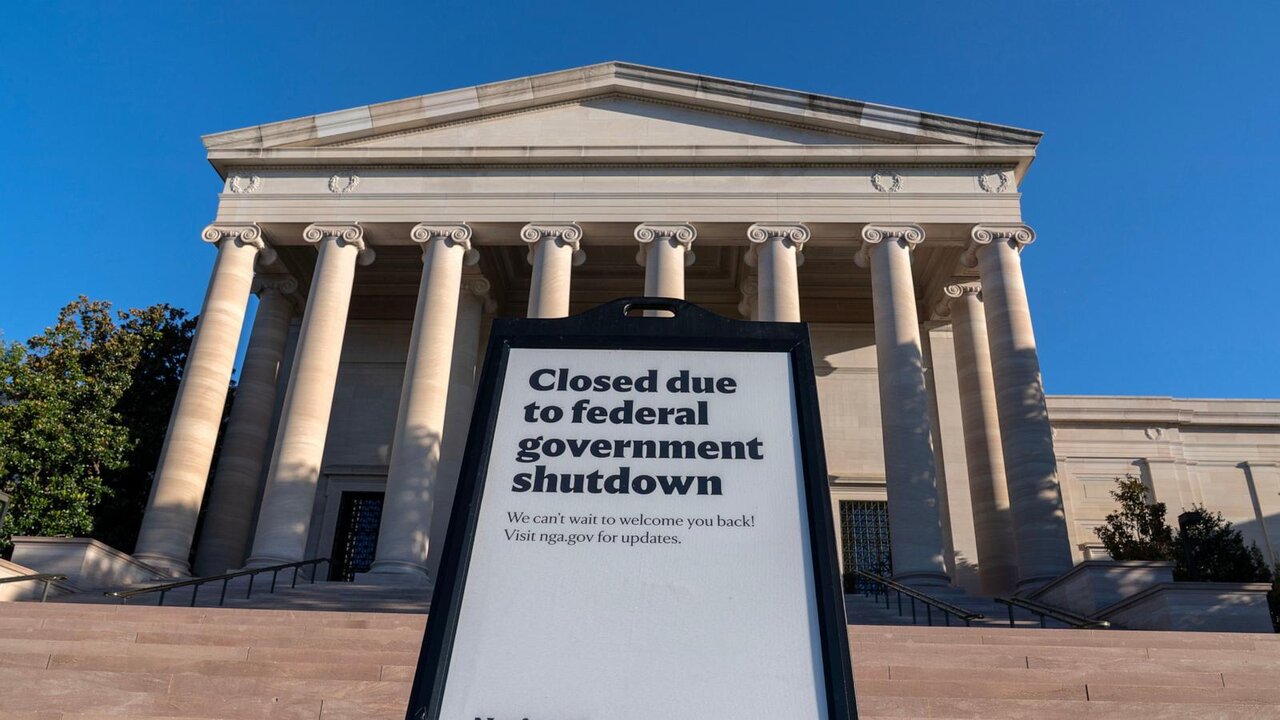
The U.S. government shutdown tied an all-time record on Tuesday and is on track to reach its longest 36 days in history on Wednesday, clear indicators of a presidency defined by national dysfunction and conflicts over compromise.
The government shutdown began Oct. 1 after Republicans fell short of 60 Senate votes for the spending plan and President Donald Trump insisted he would “not be forced” into negotiations over Affordable Care Act tax credits and Medicaid cuts that expire with the government still shut down.
The human toll is increasing. Roughly 1.4 million federal employees are on unpaid leave or working without pay, and air traffic controllers and TSA employees are without new paychecks as planes become increasingly delayed.
The 42 million Americans who rely on SNAP, the Supplemental Nutrition Assistance Program that helps put food on the table for low-income families, now face benefit reductions in November after a dispute over $8 billion in funds forced emergency court intervention and exposed vulnerabilities in essential services.
The conflict mirrors the 2018-2019 shutdown of President Trump’s first term, but it has broader implications. Schools and food banks are absorbing unmet needs. Families bracing for rising insurance premiums. Public trust is lost.
While Senate leaders continue to stage a disastrous vote, a small bipartisan group is reporting “progress.” For now, the country waits – its institutions are overwhelmed and its people are bearing the costs.